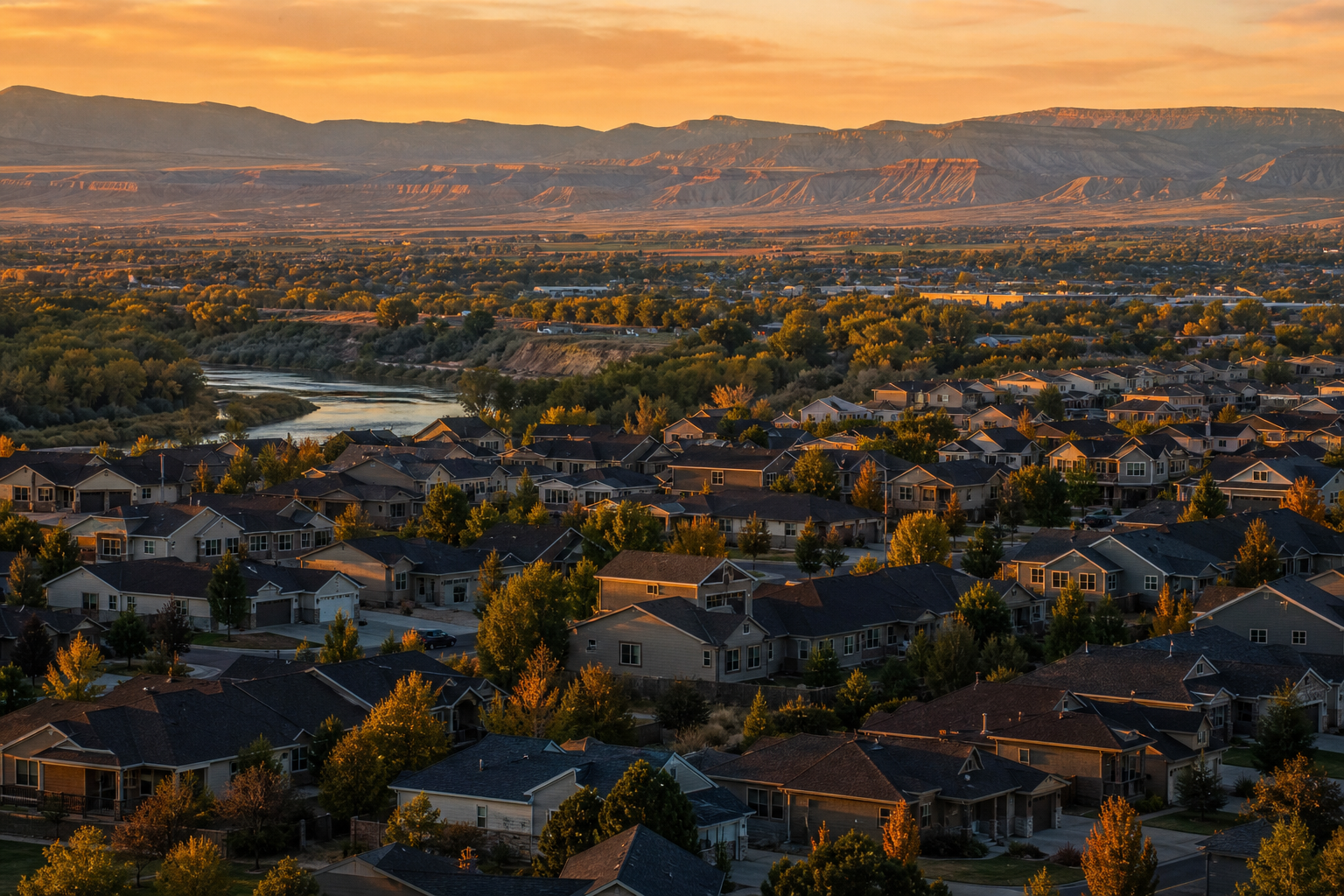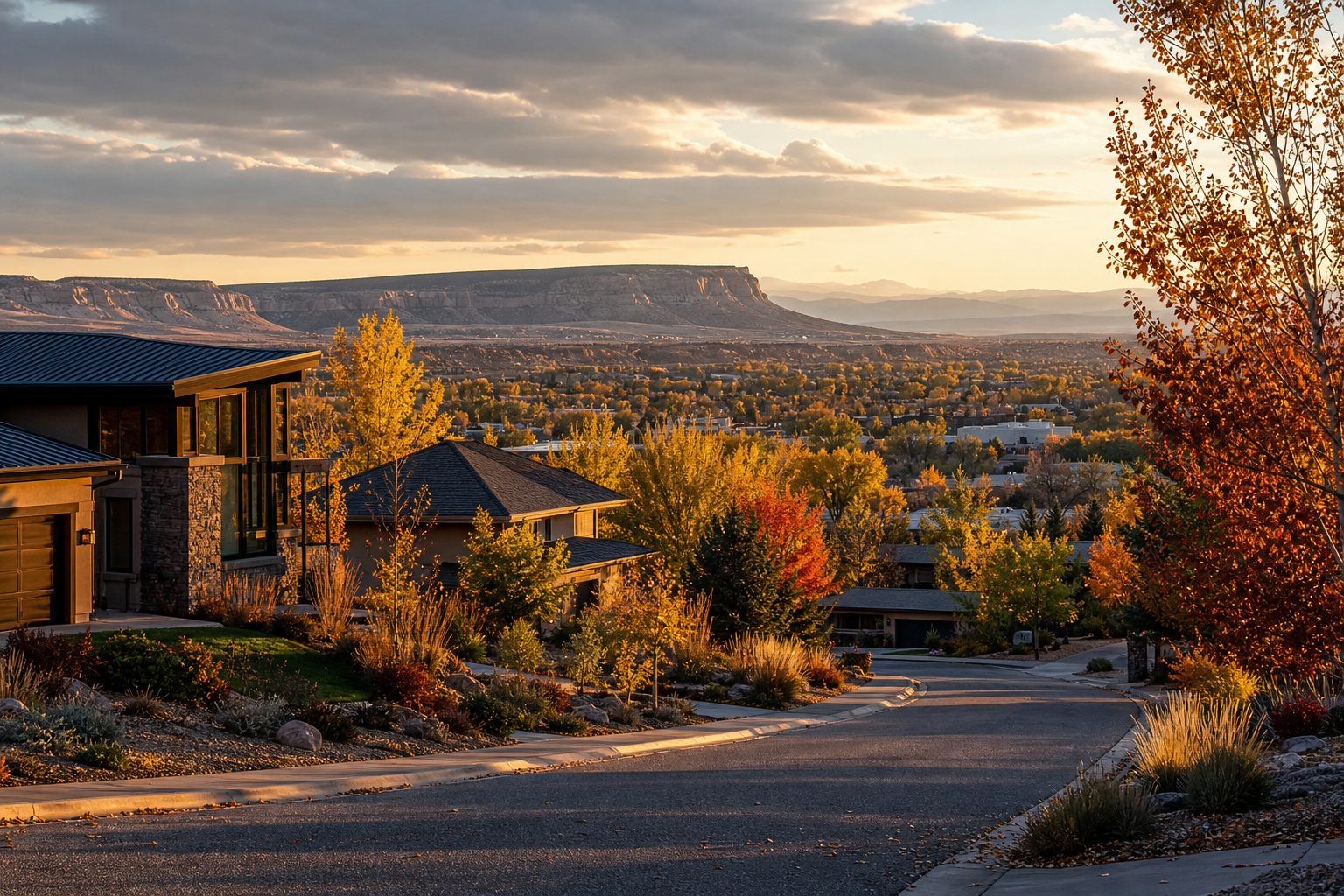

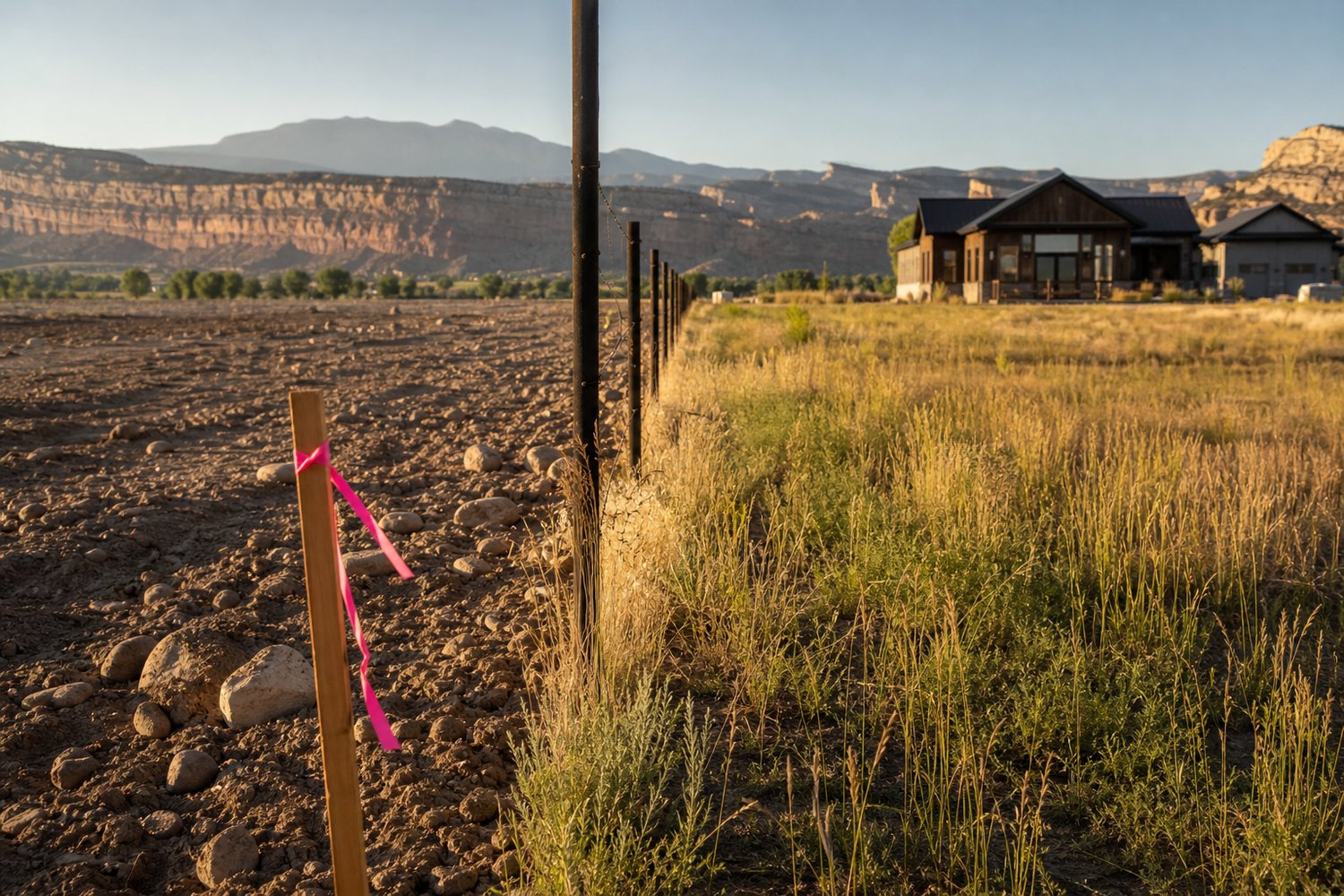
Before you make an offer, confirm three things about the exact parcel: whether it’s in town or rural, which taxing districts and rental rules apply, and who will look after the home while you’re away. Those answers shape your real cost of ownership far more than the list price does.
Second Home in Palisade Costs Beyond the Purchase Price
What should you plan for when buying a second home in Palisade?
Buying a second home in Palisade means planning for the property itself, not just the price: whether it sits in town or in a rural setting, which taxing districts apply, whether short-term rental is even an option, how the home is insured while empty, and who checks on it when you’re away. Recent local market data puts the median sale price for homes sold in Palisade at $477,500 over roughly the 90 days leading into November 2026, but your ongoing costs and rules will vary parcel by parcel.
Key Takeaways
- Homes sold in Palisade over roughly the 90 days leading into November 2026 had a median sale price of $477,500, but that area-level number says nothing about what a specific property will cost you to carry.
- Those sales went under contract after a median of 41 days on the market, and 31 homes are for sale now, which leaves time to do parcel-level homework before you offer.
- Short-term rental is not automatic: the Town of Palisade has a vacation-rental application and decision tree, so confirm eligibility before you count on rental income.
- Property taxes depend on the parcel’s taxing districts, so pull the Mesa County assessor record for the exact property instead of relying on a citywide estimate.
- The less often you visit, the more your plan for inspections, freeze protection, and emergency repairs matters.
What does the Palisade market look like for second-home buyers?
It’s a smaller market where careful comparison pays off. Recent local market data shows 16 homes sold in Palisade over roughly the 90 days leading into November 2026, with a median sale price of $477,500 and an average sale price of $542,740. That gap between median and average reflects the real diversity of homes here, from modest in-town properties to larger acreage and rural parcels. The median of 41 days from listing to going under contract and 31 homes for sale now round out the picture. There are 31 homes for sale now.
With only 16 sales behind it, that median is a snapshot, not a verdict. An individual home’s value depends on condition, street, build year, and timing.
Mesa County is a mix of traditional subdivisions, older established neighborhoods, newer construction, townhomes, acreage, and rural properties, and in many of them the land or location matters as much as the house. Two homes that look similar on paper can be worth very different amounts once you factor in access, views, lot, improvements, and demand. That’s why I never treat a ZIP-code average as the whole story, and it matters even more when you won’t be living there full time. If you’re also weighing the wider Grand Valley, my post on Mesa County’s rising housing inventory gives useful context.
How do you evaluate a second home in Palisade before making an offer?
Start with the parcel, not the listing photos. Confirm whether the property is in town or rural, pull its assessor record, and verify access, water, and the rules that apply to its use. I walk buyers through this before we ever write an offer, because I don’t want anyone pressured into a house that doesn’t fit how they’ll actually use it.
Is an in-town or rural property the better second home?
Neither is better by default; they ask different questions. In-town homes may offer more convenient access to municipal services and nearby amenities. Rural or edge-of-town properties deserve a closer look at private roads, wells or septic systems, irrigation arrangements, outbuildings, agricultural activity, and emergency-service access. None of those facts can be assumed. They have to be confirmed for the individual parcel.
How do taxing districts change what you’ll pay?
Property tax is calculated from assessed value and the taxing districts that apply to the parcel. A Mesa County assessor parcel report for one Palisade property lists school, county-related, fire-protection, drainage, mosquito-control, and water-related districts. Two nearby properties can have different obligations.
Pull the record for the exact property and look at its tax-area code, assessed value, fire-protection district, and any water or drainage charges. The assessor’s parcel lookup is the right place to start, and I’m glad to help you read it.
What should you verify, and where?
| What to verify | Why it matters for a part-time home | Where to check |
|---|---|---|
| In town or rural | Determines which rules, services, and districts apply | Town of Palisade planning staff and the Mesa County assessor record |
| Taxing districts | Fire, drainage, and water-related charges can differ between parcels | Mesa County assessor parcel report |
| Short-term rental eligibility | Not every home can be rented, and approval may be required | Town of Palisade vacation-rental application and decision tree |
| Road and driveway access | Private-road maintenance and snow or ice handling affect how reachable the home is | Seller, title company, and your inspection |
| Water, septic or well, irrigation | Rural systems need closer review, especially when no one is there to notice a problem | Inspection and qualified specialists |
| Insurance eligibility | Vacancy, rental use, outbuildings, acreage, and wildfire exposure can affect coverage | Insurer quotes before you offer |
Can you rent out a second home in Palisade?
Possibly, but you should never assume it. Short-term vacation rental is an active local issue in Palisade, and permission is property-specific, so verify it before building rental income into your plan.
The Town lists a 2025 Land Development Code amendment concerning short-term vacation rentals in its ordinances and resolutions materials. It also provides a short-term vacation-rental application, FAQ, and decision tree on its forms and applications page. Short-term vacation rentals are also among the applications handled through the Town’s planning clearance process.
Before you make an offer that depends on rental use, here’s what I’d confirm:
- The property’s zoning and whether it’s inside Town limits.
- Whether short-term rental approval is available for that property, and whether it is required or limited under the current land-development rules.
- Whether any approval is transferable, or whether you’d need to apply yourself.
- Whether your insurer treats rental activity differently from occasional personal use.
If you’d rather buy a second home in Palisade for personal use only, you can skip the rental questions, but it’s still smart to know what a future buyer will ask. Your specific answers depend on the address, which is where a conversation with someone who works this market every week saves you time.
How do you protect a second home when you’re not there?
Build a documented local response plan before you close. The less frequently you visit, the more it matters that someone is assigned to inspect the home, handle routine upkeep, and respond to emergencies.
What belongs in a vacancy and maintenance plan?
Decide in advance who will handle each of these, and write it down:
- Routine walk-through inspections while the home is vacant.
- Landscaping and irrigation, including where the controls and shutoffs are.
- Snow and ice procedures, plus driveway or road access.
- Emergency repairs, appliance failures, and storm or freeze damage.
- Mail and trash arrangements.
- Heating controls and leak detection, so a small problem doesn’t run unnoticed for weeks.
Learn where the water shutoff is during your first visit, and make sure whoever checks on the home knows too. Whether to hire local property management depends on how often you’ll be there and how complex the property is. A small in-town home you visit often is a different job from acreage with outbuildings and irrigation.
How should you approach insurance for a part-time home?
Talk to an insurer before you commit, not after. Ask whether use as a second home, vacancy periods, rental activity, detached structures, acreage, wildfire exposure, water source, and winter conditions change eligibility or coverage. I’m not going to guess at premiums here, because they depend on the specific property and the insurer’s underwriting. Get real quotes for the address you’re considering.
What about long-term ownership?
Think about the home you’ll own in ten years, not just the one you’re touring. Your usage may change, you may rent it, or you may eventually sell it. A property with clear access, a well-understood tax picture, and a reliable maintenance routine is easier to hold and easier to resell. If you want a sense of what the cash side of buying looks like in this area, my post on how much cash it takes to buy a house in Grand Junction is a good companion read.
Planning your next step
A second home in Palisade works best when you’ve checked the parcel, the rules, and the upkeep plan before you fall in love with the view. I specialize in vacation and second-home purchases across the Grand Valley, and my team and I can help you compare properties on the things that actually drive your cost and use. Call or text me today for a private consultation, or get a free home valuation if you’re selling something to fund the purchase.
Curious how I work with clients? Read my reviews on Google and Zillow.
FAQ
What should I check before buying a weekend home in Palisade, Colorado?
Start with whether the property is in town or rural, then review its assessor record, access, water and septic or well situation, and insurance eligibility. If rental use matters to you, confirm eligibility with the Town of Palisade before you offer. Then decide who will inspect and maintain the home while it’s empty.
Are short-term vacation rentals allowed at every Palisade property?
No, you can’t assume that. The Town of Palisade has a short-term vacation-rental application, FAQ, and decision tree, and rental permission is tied to the specific property. Verify zoning and approval status with the Town before relying on rental income.
How can I verify whether a Palisade home is in town or subject to rural fire, drainage, or water districts?
Pull the Mesa County assessor record for the exact parcel. It shows the tax-area code, assessed value, and the taxing districts that apply, such as fire protection, drainage, and water-related districts. For zoning and Town-limit questions, contact Town of Palisade planning staff.
What ongoing costs should I budget for when I’m not living at my Palisade second home full time?
Plan for property taxes, insurance, utilities, routine upkeep, landscaping or irrigation, snow removal, and a reserve for repairs. Any HOA or road-maintenance obligations also count. I can’t give you reliable dollar figures without the specific property’s records, so get actual quotes and documentation for the home you’re considering.
How do I protect a Palisade vacation home when it’s vacant for weeks or months?
Set up regular inspections by a trusted person or service, know where the water shutoff and heating controls are, and consider leak detection. Tell your insurer about vacancy periods so you understand any coverage conditions. A written plan for storm, freeze, and appliance emergencies keeps small problems from becoming large ones.
Should I hire local property management for a second home in Palisade?
It’s worth considering if you’ll be away for long stretches or the property has acreage, outbuildings, or irrigation. If you visit often and the home is simple, a trusted local contact for inspections may be enough. The right answer depends on how you’ll use the property.
Equal Housing Opportunity. Bill Needham, Associate Broker, REMAX 4000, regulated by the Colorado Division of Real Estate. This article is general information, not legal, tax, or financial advice. Confirm your own numbers with your title company, tax advisor, or lender.